What does a better future look like to you?

A better economy looks different for each of us — until you look at what we all depend on: stable communities, work that sustains us and our families, and the ability to plan beyond next month's bills.

Choose your perspective

I want to protect our resources and communities for the long term.
Explore how we can better steward our communities and resources, so they endure.
I want a stable, innovative economy.
Explore how we can build an economy that balances growth, resilience and opportunity.
I want to live in a fairer, more equitable society.
Explore how we can build economic systems that work for everyone.
A guide to a better future

Protecting Resources
& Communities

Building a better future starts with taking care of what we have. We need a stable economy that values what lasts over what is wasteful, and preserves the American dream for present and future generations.

The Vision

Close your eyes and imagine: You come home from a job that pays enough to live and build a future on. Family-owned restaurants and stores thrive, and your own career is stable, because your town believes in people who take initiative. Your neighbor could afford to buy a house on their teacher's salary. When you need medical care, you can get it without financial panic. Healthy food is available, some of it grown by local farmers. Kids can play outside and breathe clean air, and they can swim in the river if they choose to, because it's free from toxic pollutants.

This is what a better economy can deliver: a future you can count on, where the basics of a good quality of life are within reach, and nothing is needlessly wasted.

The Formula

We need smart investments in America's workforce, economy and future.

Two sectors, pulling together

A strong economy needs two sectors pulling in the same direction. Businesses drive innovation and job creation. The government builds and maintains the foundations private enterprise depends on — highways, power grids, ports, water infrastructure.

Smart investments pay off

Well-funded schools help companies find skilled workers. A more comprehensive health system means more people can actually show up to work. Reliable childcare means parents stay in the workforce, businesses retain talent and grow, while families stay financially stable. These aren't blank checks — they're targeted government investments that make up the foundation of a productive economy, and when done right, they actually bring in more private investment.

Why is governmental investment important now, even with inflation and growing deficits? Read more ↓

A good business invests early on in the tools, equipment and workers it needs to operate. The same logic applies to an economy. Skilled workers, healthy communities, and reliable infrastructure are the tools that allow individuals, families and businesses to thrive tomorrow.

These investments are also fiscally responsible. Research shows that America works best when families have stable homes and reliable childcare. The Center for Outcomes Research and Education found that safe, affordable housing cuts Medicare costs by 12% (roughly $48 per person per month), and all taxpayers benefit from that. In one study group, that translated to $936,000 in annual healthcare savings.

Every economy has limits. Fall short of one, and people lack the basics they need to live and contribute: good work, shelter, healthcare, education. Overshoot the other, and you deplete the resources that make everything else possible. The sweet spot is the space in-between, where:

  • Hard work actually sustains families, and the people who build our communities can afford to live in them
  • We invest in what lasts and manage our resources wisely, instead of mortgaging the future
  • Children and youth inherit abundance, opportunity and prosperity, not debt
  • Our land and water are stewarded responsibly, conserving our natural heritage while supporting American jobs, farmers, ranchers, and energy producers

Some of us have experienced it firsthand. During America's greatest period of middle-class growth and infrastructure development (1940s–1960s), we made smart investments in infrastructure (Interstate Highway System), healthcare and education, which strengthened the country and built the broad-based prosperity we inherited. We empowered workers, supported businesses, and connected communities. We created opportunities for families to thrive and for American enterprise to grow, showing that when the government acts wisely, it can help unlock the full potential of our people.

Building Blocks of Better Economies

Resource Conservation
Protecting land, water, and natural capital so our grandchildren inherit abundance, not scarcity
Local Economies
Supporting local businesses to keep wealth and decision-making power in our communities.
Family Support
Making sure families can build good homes and children are well looked after — which is also what makes a strong economy.
Community Resilience
Building capacity to weather economic storms and crises.
Responsible Agriculture
Implementing farming and food systems that honor the land, protect family farms, and ensure healthy soil, building strong rural communities for generations.

Real-World Examples

Examples of better economies working in the real world

MichiganMichigan, USA

Turning Waste Into Value

Michigan's bottle bill, enacted in 1976, has helped keep our roads, parks, and waterways clean for nearly 50 years. Today, the state legislature is considering whether to expand it, building on a policy that has long protected natural resources while respecting taxpayers.

The Michigan Beverage Container Deposit Law requires a 10 cent deposit on certain beverage containers, money that consumers get back when they return them. It's a market-based approach that has made Michigan's program the most effective in the nation.

Even in more recent years, despite economic shifts and pandemic disruptions, hundreds of millions of dollars are still returned directly to consumers annually. $275.7 million were refunded in 2024 alone. Unclaimed deposits, which come from containers not returned, generate additional funds, with a portion distributed to retailers to offset their operational costs.

The data shows a long track record of high participation, significant refunds to citizens, and a system that largely sustains itself — reinforcing that Michigan's approach has been both effective and financially disciplined over time.

Other states like Oregon, California, Maine, New York, Iowa, Connecticut, Vermont, Hawaii, and Massachusetts have also successfully implemented this system. Their successes highlight the importance of continued support for such initiatives.

Source: Michigan EGLE — Bottle Deposit Law

PennsylvaniaPennsylvania, USA

Strengthening Households

Pennsylvania families and taxpayers have kept $136 million in their own pockets by making child care more affordable through targeted tax relief. Over the past two years, the state expanded tax credits for working families, and created a new incentive for businesses to help cover employees' child care costs. This approach empowers parents, strengthening families and the workforce.

Childcare failures hit the economy hard. The U.S. Chamber of Commerce Foundation reports that states lose billions each year due to parents being forced out of the workforce. Texas loses $9.39 billion annually, Pennsylvania loses $3.47 billion, Arizona $1.77 billion, Iowa $935 million, and Mississippi $673 million. When parents can't work due to unreliable childcare, productivity drops and states lose economic output, costing families, business, and taxpayers alike.

Pennsylvania's model shows what it looks like to treat childcare as an economic issue rather than a social one. The new employer incentive brings businesses directly into the picture: when companies invest in their employees' childcare, they get a more stable workforce in return. Paired with expanded family tax credits, this means more parents are able to show up, stay employed, and contribute to a stronger state economy.

Source: PA Governor's Office — Childcare Tax Credit

Credit UnionUnited States

Banking That Works for People

Member-owned financial institutions like credit unions show how banking can stay closer to the people it serves while still operating in a competitive market. From family farm loans to emergency food bank donations, institutions such as the America First Credit Union offer better rates, and a fundamentally different relationship with the people they serve.

For families, farmers, and small businesses, these alternatives can offer more personalized service and, in some cases, more flexible lending criteria than larger national banks. This can benefit families struggling with high-interest loans, small businesses turned away for being too risky, and farmers without affordable financing for innovations.

For example, the America First Credit Union (84 years old and member-owned) provides a range of services including small business lending, family banking, and community support programs, often with a strong local focus. It opens small business accounts in minutes, provides personalized lending, and maintains an emergency reserve.

The Clean Energy Credit Union is another alternative that aims to make it easier and more affordable for Americans to adopt practical, reliable energy solutions. It provides financing for home energy improvements and efficiency upgrades (geothermal systems, solar panels, etc.), supporting both household cost savings and work for local contractors and installers.

Lastly, the Bank of North Dakota — established in 1919 — works alongside local banks to support agriculture, student lending, small business growth, and infrastructure financing. Its model highlights how public and private financial institutions can cooperate at the local level to expand access to credit.

This is how finance looks when communities are both the customers and the investors. A hybrid system of member-owned credit unions and public–state banking partnerships with local financial institutions can improve access to credit, lower borrowing costs on mortgages and car loans, expand flexible lending for small businesses, and enable faster emergency lending during economic shocks.

Sources: America First Credit Union · Clean Energy Credit Union

Take Action

Whether you're a business owner, employee, parent, student, or community member, you can help create an economic future that keeps value in your community and protects what you hold dear.

Work & Wages: Reward effort and build an economy where hard work pays offRead more ↓

→ Engage with your local Chamber of Commerce or business associations to better understand workforce needs and help shape practical local solutions, such as job training pipelines, childcare supports, and improved hiring pathways.

→ If you're an employer, consider offering flexible work arrangements and dependent care support where possible. The return in loyalty, worker retention, and productivity more than justifies the investment.

→ Support or expand apprenticeship, trade, and skills-based training programs through local employers, unions, or community colleges to strengthen pathways into well-paying jobs.

Money & Local Economy: Spend, invest, and bank with businesses built to lastRead more ↓

→ Recognize and support businesses that reward hard work, pay fairly, and treat employees with respect. Worker-owned businesses, cooperatives, and credit unions tend to be more stable, more accountable, and more rooted in their communities. Use the USFWC directory to find ones near you.

→ Do you own stock? You have power as a shareholder to influence company decisions. Activate your shareholder influence HERE.

→ Move your banking to a credit union. They reinvest locally and offer lower interest rates on loans, saving you money in the long term. If you are already banking with a credit union, attend their meetings so you can influence their direction.

→ Choose locally or family-owned businesses over chains when you can, especially for groceries, hardware, and services. Start by shifting one recurring purchase to a local or cooperative business.

→ If you're a business owner, source locally. Your financial stability builds community stability.

→ Look into Community Development Financial Institutions that lend to local businesses where big banks won't. Find one via the CDFI Fund.

→ Support Community Land Trusts that keep property in local hands and housing affordable for working families. Organizations like Grounded Solutions Network can connect you.

Community & Care: Take care of your communityRead more ↓

→ Show up for your neighbours. Contribute what you can to your immediate community, whether that's skills, transportation, meals, or translation support. You can connect with existing initiatives through MutualAidHub.org.

→ Borrow tools from community libraries instead of buying them. Get quality furniture and tools through Buy Nothing groups, Craigslist, and Facebook Marketplace.

→ Start something simple and consistent: a food pantry rotation, a tool library, a community board for needs and offers. Register your mutual aid network as a 501c3 or fiscal sponsorship project, and submit it to Mutual Aid Disaster Relief so others can replicate it. Good models spread.

→ Connect with local churches, community centers, or neighborhood groups running affordable childcare. Support them, volunteer, or donate.

Land & Environment: Protect the land and water your community depends onRead more ↓

→ Check your area's air and water quality at AirNow.gov or the EPA's MyEnvironment tool.

→ Show up to public comment hearings when new industrial facilities or zoning changes are proposed near your community. Landowners and residents have standing.

→ Ask your city what environmental review process exists before new facilities are permitted. If there isn't one, demand accountability.

Civic Power: Your tax dollars, your community, your voiceRead more ↓

→ Attend a City Council meeting where local wage or workforce policies are being debated. As a taxpayer and a neighbor, push for wages and work conditions that make that promise real in your community.

→ Ask your City Council to adopt a local purchasing preference for city contracts. Taxpayer money should work for taxpayers.

→ Contact your state representative about healthcare costs and childcare availability in your community. Find out what practical solutions your state is working on and add your input.

→ Check if your city has a participatory budgeting program at participatorybudgeting.org. If it does, use it. If your city doesn't have one, ask your council member why not, and point to Denver as a model that is already working.

A guide to a better future

A Stable, Balanced
Economy

A good economy helps people live meaningful, fulfilled lives. We should prioritize happiness, fulfillment, and health over profit alone.

The Vision

Picture this: At the end of the month, you sit down and look at your finances. You earn enough to live well on, and you still have enough time off to spend quality time with friends and family. Your kids are in good schools that you trust and can afford, and you don't have to spread yourself thin caring for your parents as they age. Healthy food is available and some of it is even state grown. Locally run restaurants and stores thrive downtown, and your own business is stable, supported by economic policies that help entrepreneurs.

When the basics are secure — housing, healthcare, decent pay — you can breathe differently. You can think about the future. We deserve an economy that makes it possible for people to lead a meaningful and fulfilling life.

The Formula

What if we adjusted our priorities, and started measuring success based on collective well-being instead of individual output?

The Prosperity Balance Point

SHORTFALL THE SWEET SPOT OVERSHOOT
Not meeting basic needs Building a strong economy while safeguarding the resources future generations depend on. Depleting resources faster than they renew
The Economies We Designed Read more ↓

Markets are powerful tools for innovation and prosperity, but like any tool, they work best when guided by rules that align private incentives with the public good. Without clear rules, markets can produce outcomes that even mainstream economic theory recognizes as inefficient or unstable. The laws and policies that we make lay down paths that determine where the economy takes people.

Right now, our economy leaves too many people stranded: it has increasingly concentrated gains among those already holding significant wealth, while middle class and working families are often left behind. It has prioritized short-term growth over stability, and quick financial returns over broader measures of human flourishing. It has also contributed to boom-bust cycles that strain households and public systems alike, and has placed growing pressure on the natural systems we all depend on.

Rethinking What Success Means Read more ↓

Too often we frame our choices as a trade-off between economic strength and strong public services, but in practice, they can reinforce one another. Infrastructure lowers costs for businesses and households alike. Healthcare, education, housing, and childcare help more people participate fully in the workforce and in their communities.

When people have access to the basics for a good life, we see more individuals in work or thriving at school, more people able to support their families and spend money in the local economy. In that sense, supporting people is not separate from economic performance — it is part of what makes sustained performance possible.

What if we started measuring success based on collective well-being, instead of individual output? Efficiency matters, but not when people are excluded from opportunity. Profit matters, but it is strongest when it supports long-term resilience. Growth matters most when its benefits are broadly shared and when it remains compatible with responsible use of resources.

What the Economy Could Look Like Read more ↓

We know there is a sweet spot between scarcity and excess, where we can meet everyone's basic needs without overshooting our resources. A better economy isn't about spending more for the sake of spending more — it's about using resources wisely, reducing waste, and investing in the foundations of long-term prosperity.

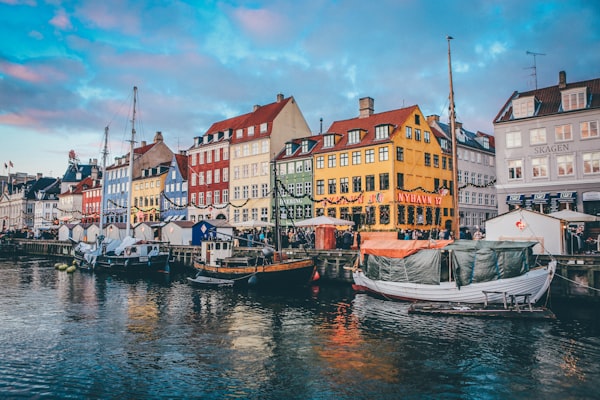
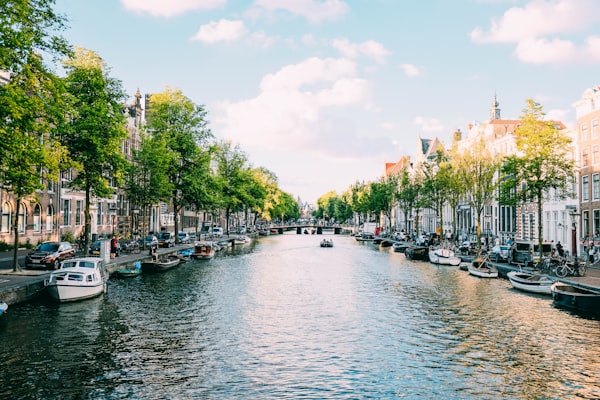
This is what balance means: using what we have wisely, giving people a shot at building a good life, and protecting what matters for the next generations. Cities such as Amsterdam and Copenhagen have experimented with long-term planning in areas like housing, transport, and urban design, and are often praised for their strong results in job creation, housing affordability, and environmental quality. The question then is no longer whether it can be done. It's whether we're willing to learn from what is already working.

Building Blocks of Better Economies

Public-Private Partnerships
Smart partnerships that leverage the strengths of both sectors with accountability to solve society's problems efficiently.
Thriving Local Communities
Supporting local businesses to keep economic opportunity, wealth-building and decision-making in communities.
Affordable Housing & Healthcare
Housing models that balance market forces so families can find homes they can afford. Healthcare that fits in family budgets.
Long-term Planning
Building capacity to weather economic storms, and implementing systems that save money long-term while protecting the environment.
Environmental Resilience
Protecting clean air, clean water, natural resources and energy systems built for resilience.
Fair Work & Opportunity
Jobs that provide reliable wages, pathways to career advancement and ownership, and support for small business growth.

Real-World Examples

Examples of better economies working in the real world

NorwayNorway

What Taxes Can Actually Buy

Many people assume that universal healthcare, free education, and paid parental leave are luxuries our country cannot really afford. Countries like Norway challenge that assumption. According to PWC, the average Norwegian pays around a quarter of their income in taxes, comparable to what many middle-class Americans already pay across federal, state, and local taxes combined. Norway proves that investing in people doesn't have to mean paying dramatically more in taxes, but rather thoughtful choices about how public resources are used.

People often assume Scandinavian countries have extremely high taxes. In reality, the median Norwegian earner pays around 26% of their income in taxes. That is not dramatically different from what many middle-class Americans pay when you add up federal, state, and local taxes, but what it "buys" is almost incomparable.

Childbirth is covered through the public healthcare system, and parents receive a full year of paid parental leave. Education is publicly funded through the PhD level. A public livable pension is guaranteed. Annual out-of-pocket healthcare costs are capped at $330, and employees can receive paid sick leave for up to one year to recover from illness or injury.

The range of services that taxes help provide in Norway is therefore very different. As a result of these policies, Norway consistently ranks among the most innovative, productive, and happiest countries in the world. This shows that, when people are not one medical bill or one job loss away from financial collapse, they take more risks, start more businesses, and contribute more to their communities.

Source: Statistics Norway · World Happiness Report

PortlandPortland, USA

Growing Smarter, Not Just Bigger

In 1979, Portland established a legally mandated line around the city, separating urban development from surrounding rural land. Known as an Urban Growth Boundary, the policy was meant to preserve farmland and natural areas, while fostering more compact, walkable neighborhoods, and good infrastructure at reduced costs for residents. This has made Portland one of the most studied models of future-oriented urban planning in the world, proving that protecting the land outside a city can be one of the smartest investments we can make for the people living inside it.

The first US urban growth boundary was established in Lexington, Kentucky in 1958. By 1999, the policy was adopted in more than 100 cities, counties, and regions across the country. After establishing the urban growth boundary in 1979, Portland grew by 54% in population over the next two decades, but used only 36% more land to do it. Rather than sprawling outward and using more public funds for new roads and utilities, Portland grew efficiently by concentrating development where infrastructure already existed.

Portland's urban growth boundary has preserved millions of acres of Oregon farmland and forest, while directing investment back into existing neighborhoods. The result has been a denser, more connected metropolitan area, and a stronger community. Residents in dense, walkable Portland neighborhoods spend significantly less on transportation than the average American household. Portland's experience suggests that thoughtful land-use planning can both support growing cities and help protect the land and resources surrounding them.

Source: Oregon Dept. of Land Conservation & Development

CopenhagenCopenhagen, Denmark

The City That Made Going Green Make Economic Sense

In Copenhagen, which aims to become the world's first carbon neutral capital by 2030, residents pay less for energy, commute cheaper, and consistently rank among the happiest people on earth. The city has invested heavily in clean energy, public transit, and bike-friendly infrastructure. These investments have helped maintain a high quality of life, showing that efforts to build a cleaner city can often go hand in hand with making it a more practical, affordable place to live.

Copenhagen set out to become the world's first carbon-neutral capital by making the sustainable choice the practical one. It made significant investments in transit and cycling infrastructure, and the results speak for themselves: since 2010, transport emissions have dropped by 9%, driven by a 12% increase in cycling. Here, the majority commutes by bike, followed by other forms of public transit.

The city's energy system tells a compelling story as well. In the 1970s, following the energy crisis, Denmark launched comprehensive heat planning involving municipalities and energy companies in an intensive national effort. Treating heat as a shared resource, more than 98% of demand is now covered by district heating, where the City of Copenhagen pipes hot water from a small number of large plants directly into buildings across the city. Much of the heat comes from burning waste and biomass that would otherwise go to landfill. Their famous waste-to-energy plant, "Copenhill" is not only energy infrastructure, but also a public space, featuring a rooftop ski slope with artificial turf and a 270-foot open-air climbing wall.

In terms of impact, district heating costs around 45% less than individual oil or heat pump solutions, resulting in lower bills for residents. Overall, every dollar Copenhagen spends on its climate plan generates $85 in private investment elsewhere in the city. This approach created jobs, lowered household costs, and made the city more competitive globally. Denmark consistently ranks among the happiest countries in the world, and Copenhagen is a large reason why. This shows that policies aimed at reducing emissions can also support economic competitiveness and affordability when designed thoughtfully.

Source: City of Copenhagen — Urban Development

RomaniaRomania

Turning Waste Into Value

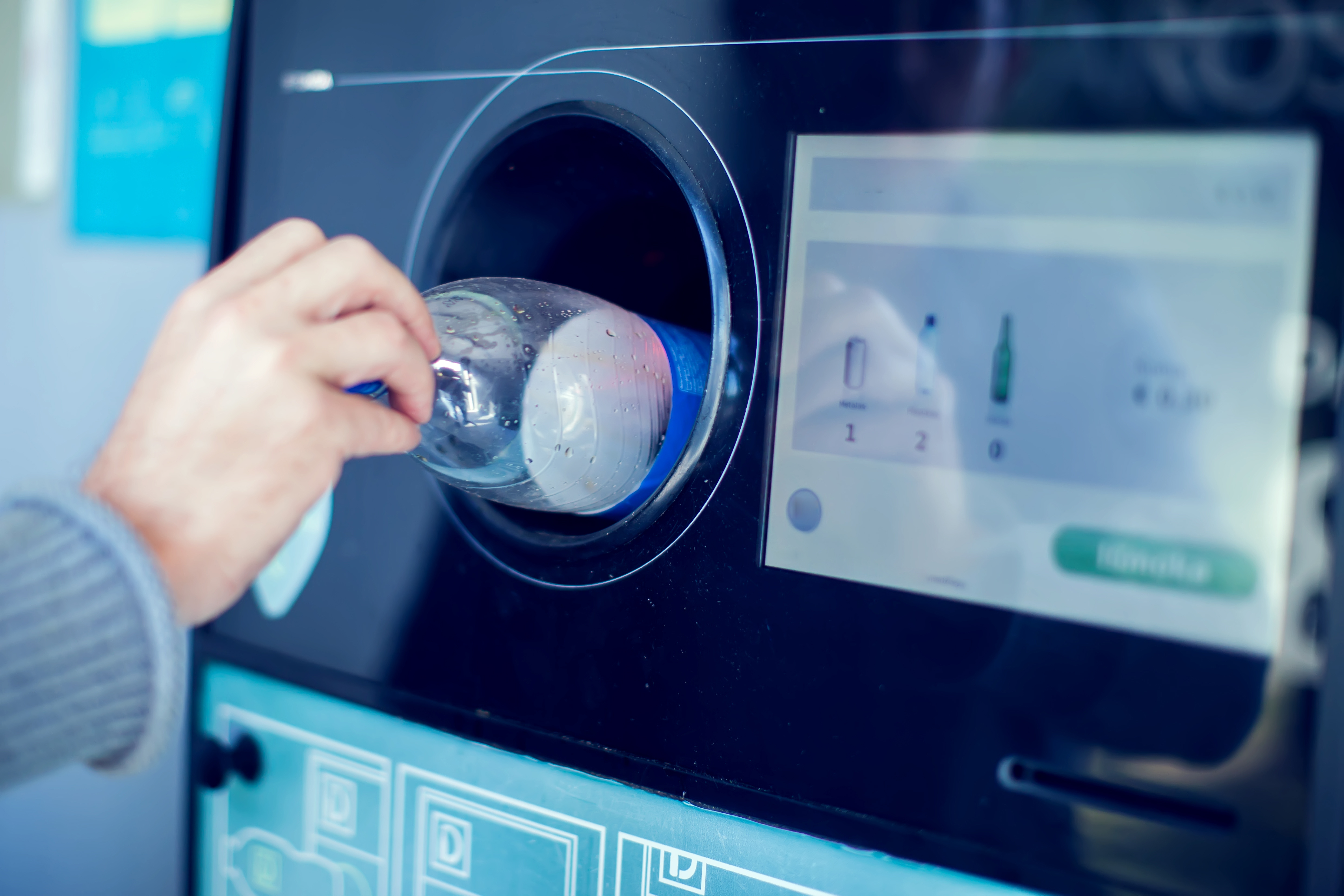
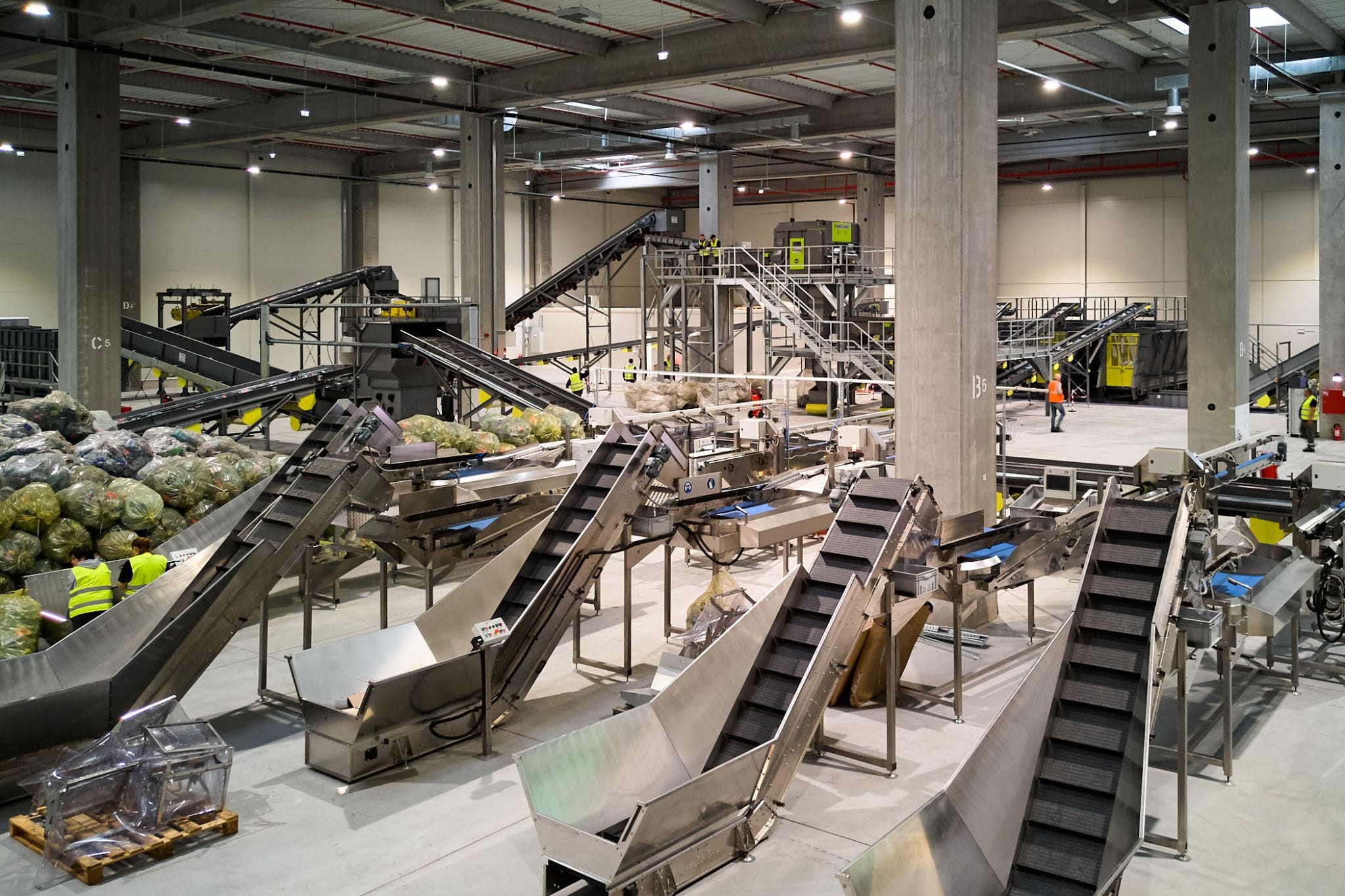
Romania has introduced a recycling system that uses financial incentives to encourage participation, while helping reduce waste. Under its new Deposit-Return Scheme, bottles and cans are sold with a small deposit attached. Return it, get your money back. Keep it, lose it. A bottle that gets returned, washed, and refilled is no longer waste, but a resource. Romanians were throwing away tons of usable materials every year, but in the two years since the scheme was launched, beverage-packaging collection has skyrocketed to as high as 94% in some months.

Romanians found a way to put money back in people's pockets, cut municipal costs, and clean up their streets, all without government spending. It is a simple scheme: when buying soft drinks or alcoholic beverages, the customer pays an extra $0.11 USD per bottle and gets the money back when returning the packaging, cleaned and in its original shape, to a collection point, in any shop that sells beverages. The results were immediate: within the first year, litter dropped dramatically, and businesses that run the collection points generated revenue.

The scheme is self-financing. Municipal waste costs fell because less packaging ends up in landfills or on roadsides. This puts money back in people's pockets, reduces costs for local governments, and creates a private sector infrastructure that sustains itself. Romania's successful Deposit-Return Scheme proves that some of the best outcomes come from good incentives, and from equating the right choice to the financially smart one.

Source: RetuRO — Romania's Deposit Return System

Take Action

Whether you're a business owner, employee, parent, student, or community member, you can help create an economic future that brings more stability, real opportunities, and a genuine chance to thrive.

Work & Wages: Push for an economy where effort actually gets rewardedRead more ↓

→ Invest in businesses that treat workers as partners. Use the USFWC directory to find worker-owned businesses near you.

→ Leave a Google review praising businesses that pay their people well. It matters more than you think.

→ Connect with local business associations or civic groups working on workforce development in your area.

→ If you are an employer, provide dependent care benefits and flexible work arrangements. These policies keep good, loyal workers.

→ Push your local Chamber of Commerce to treat childcare access as a workforce issue, not just a family issue. When parents can't work, businesses lose too.

→ Look into profit-sharing or employee ownership models through the National Center for Employee Ownership. Businesses that share the rewards tend to be more stable and more rooted in their communities.

Money & Local Economy: Direct your money toward what lastsRead more ↓

→ Invest in businesses that treat workers as partners. Use the USFWC directory to find worker-owned businesses near you.

→ Do you own stock? You have power as a shareholder to influence company decisions. Activate your shareholder influence HERE.

→ Ask your bank or pension fund what ESG (Environmental, Social, and Governance) investment options they offer, and push for more. If they don't offer any, consider switching to a financial institution that does.

→ Move your banking to a credit union. Lower interest rates, local reinvestment, member-owned. If you're already banking with one, attend their meetings and help shape their direction.

→ Use Google Maps or Yelp filtered to locally-owned businesses. Shift one recurring purchase — coffee, groceries, hardware — to a local or cooperative business.

→ If you're a business owner, source locally. Your stability builds community stability.

→ Open an account with a Community Development Financial Institution. They lend locally where big banks won't. Find one via the cdfifund.gov.

→ Support Community Land Trusts in your city. They keep housing permanently affordable and locally rooted. Organizations like Grounded Solutions Network can connect you.

Community & Care: Community care is economic infrastructureRead more ↓

→ Join or start a neighborhood resource-sharing group focused on mutual aid, such as childcare swaps, meal networks, or emergency support funds. Contribute what you can to your immediate community, whether that's skills, transportation, meals, or translation support. You can connect with existing initiatives through MutualAidHub.org.

→ Build something small that can last, such as a community fridge rotation, a tool library, a babysitting co-op, a neighborhood group chat for resource sharing or any other simple system that neighbors can participate in regularly. Community fridges can be found on Freedge and Change X.

→ If you've created a successful community initiative, document and share it. Register your mutual aid network as a 501c3 or fiscal sponsorship project, and submit it to Mutual Aid Disaster Relief so others can replicate it.

→ Take action on local issues like healthcare, housing, or childcare by contacting your elected representatives — via town halls, emails, and calls — with specific concerns or solutions. Many effective policy changes start at the local or state/provincial level.

→ Support organizations already doing the work. Volunteer, donate, or contribute your skills to local groups working on food security, affordable housing, healthcare access, or community resilience.

Land & Environment: Clean air, clean water, and healthy land are quality of life issuesRead more ↓

→ Check your area's air and water quality at AirNow.gov or the EPA's MyEnvironment tool.

→ Show up to public comment hearings for industrial permits or zoning decisions in your area. Your voice on the record matters.

→ Check whether your city has an Environmental or Sustainability Commission. These bodies advise City Council and are often looking for engaged constituents to strengthen their case.

Civic Power: Show up, speak up, and take a seat at the tableRead more ↓

→ Attend a City Council meeting where wage ordinances are on the table. Push for wages and work conditions that let people actually get ahead.

→ Find out if your city has a participatory budgeting program at participatorybudgeting.org. If it does, participate — these programs work best when a wide cross-section of the community shows up. If your city doesn't have one, bring it to your council member's attention. Denver and Los Angeles have working models.

→ Vote like your community depends on it, because it does. Use VOTE411 to research every name on your ballot. The races at the bottom matter most.

→ Give a few hours before a local election to knock on doors or make calls. In local races, a weekend of conversations can be decisive.

→ Consider running for local office: City Council, School Board, Water District. These seats are often filled by default.

A guide to a better future

A Fairer, More
Equitable Society

A fair society is possible. When we design economies around human dignity and ecological limits, everyone thrives. A sustainable economy doesn't leave anyone behind.

The Vision

Picture this: You come home from work feeling positive about your job. The pay is solid and you can cover your expenses, with a healthy work-life balance. You take the bus, because it comes every ten minutes; it's clean, it works, and you don't need a second car payment. The neighbourhood is well maintained and environmentally friendly. Home ownership and rental prices reflect what people can actually pay.

Good jobs. Affordable housing. Strong local businesses. Clean air and water. These aren't separate issues — they're all outcomes of the same thing: better-designed economies that distribute value fairly and regenerate rather than deplete.

The Formula

To build better economies, we need a full picture of what the economy is.

ENVIRONMENT Supports life and all biological systems
Natural
Resources
Clean
Air
Climate Ecosystem
Services
Clean
Water
Biodiversity
SOCIETY Human well-being depends on a healthy environment
Health Community Culture Education Equity Governance
ECONOMY $ A system for resource distribution
Trade Commerce Employment
Mainstream Economics Read more ↓

Mainstream economics, the kind taught in schools, debated in Congress, and reported in the news, draws an invisible circle around markets, and calls it "the economy." Everything outside that circle gets treated as secondary: nature, households, communities. Even the state is framed as an outsider "intervening."

When social or ecological harm occurs, we talk about it through the lens of markets and label it an "externality," which reveals the bias built into the system. We look downstream, but never upstream, at the dependencies of every market transaction on healthy, social and ecological systems.

The Invisible Economy Read more ↓

Some of the most important parts of the economy, such as unpaid care-giving, household care and domestic work, are made completely invisible by this framing. Raising children, caring for the elderly, maintaining a home — none of this appears in our Gross Domestic Product (GDP). Yet without it, no market activity could function well.

The same goes for what we call the "commons." For millennia, communities have self-organized to manage shared land, water, knowledge, and culture, through co-created rules. This tradition of collective stewardship barely exists in mainstream economic discourse. The controversial but commonly cited notion of the tragedy of the commons describes what occurs when markets run on short term self-interest, creating overuse and depletion of our essential resources, ultimately harming everyone. The result is an economy designed around scarcity and endless growth — a view that, from the very beginning, casts other people as competitors rather than human beings that can collaborate to ensure that everybody does, in fact, have what they need.

A Better Economy Read more ↓

We believe that better economies operate in the sweet spot of meeting everyone's basic needs whilst making sure the way we achieve that is good for us and for the planet. After all, the economy is embedded in society, which is embedded in living systems. Better economies are possible, and they're already being built.

Denmark and the Netherlands collect similar taxes to the US, but manage them differently: they have robust social services, universal health care, free higher education, and in Denmark, students are actually paid to study. The result is cities like Copenhagen and Amsterdam where the young and the elderly alike have what they need to live full lives. The question is no longer whether this is possible. It's whether we're willing to learn from the places already doing it.

Building Blocks of Better Economies

Living Wages
Ensuring everyone who works can afford housing, food, healthcare, and a decent quality of life.
Universal Basic Services
Healthcare and education treated as rights, not privileges, creating the foundation for everyone to thrive.
Affordable Housing
Housing as a human right, with models like social housing creating stability for entire communities.
Climate Justice
Environmental protection that addresses inequality and ensures a livable planet for all.
Mutual Aid Networks
Community-based support systems that provide protection from financial and community emergencies.
Cooperative Ownership
Workers and communities keeping wealth local and democratic.

Real-World Examples

Examples of better economies working in the real world

ViennaVienna, Austria

Affordable Housing for Community Wealth Building

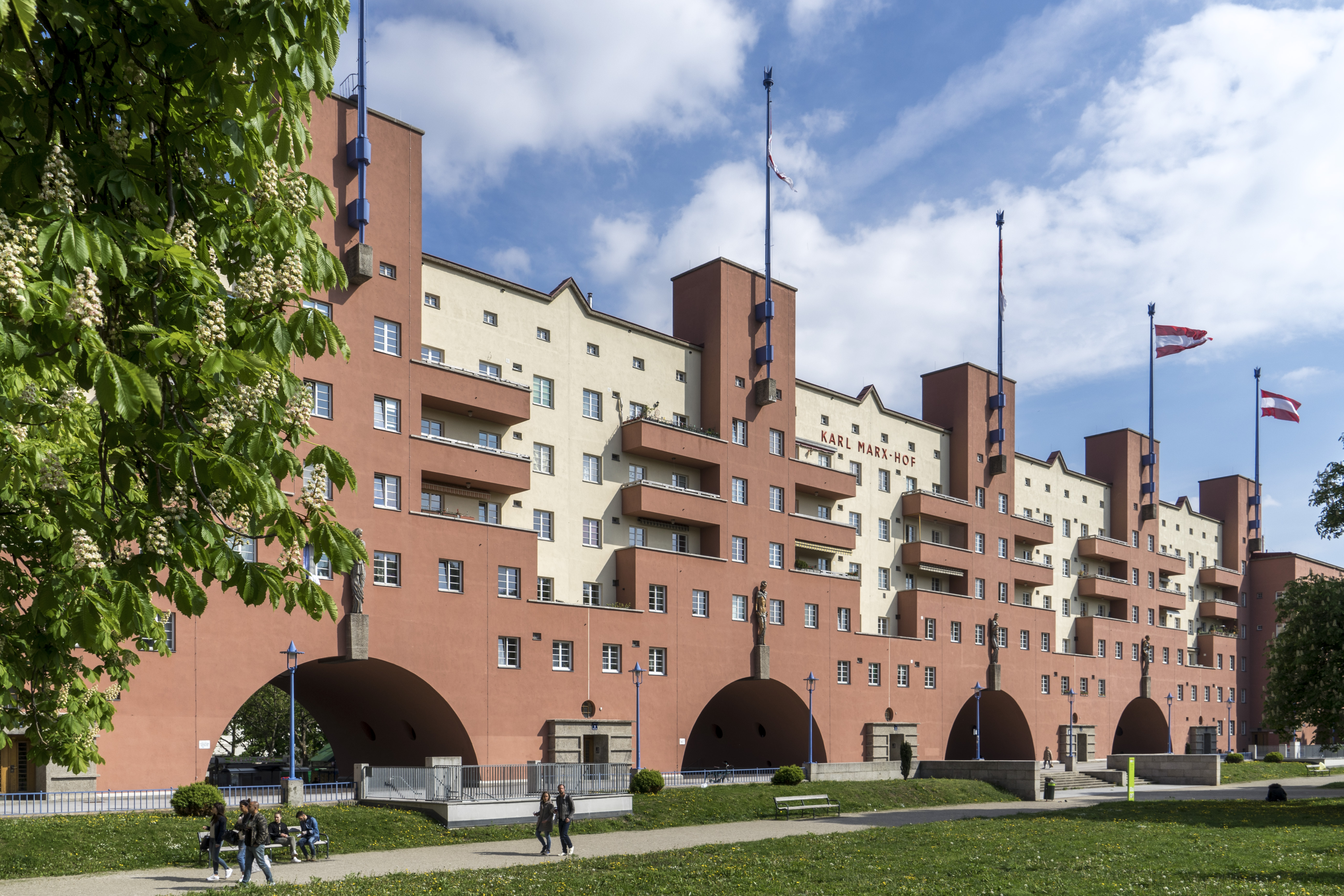
As the largest home-owning city in Europe, Vienna proves that affordable housing at scale creates economic stability and community resilience. In the place that retains its reputation as the world's most livable city, Vienna's renters pay roughly a third of their counterparts in London, Paris or Dublin, on average.

About 40 years ago, Vienna started a "land procurement and urban renewal fund" that reserves land in the city exclusively for social housing. Today, over 40 percent of the city's housing units are social housing, providing permanently affordable, publicly subsidized, climate resilient homes for the majority of the city's renters. Social housing is equitably distributed throughout the city, boasting greater income diversity within neighborhoods — and far less inequality between them — than comparable American cities.

As the city's population has grown over the past two decades, Vienna has continued to build affordable housing, where grandparents live down the street from their grandkids, in homes that are energy efficient. Developers' competition in subsidised housing accelerated social innovations and new solutions for climate protection and climate adaptation in the building sector. Its municipal green social housing system provides an example of how, in the context of a conservative national government, states and cities can still take bold action to tackle the housing and climate crises together.

Source: Wiener Wohnen — Vienna Social Housing

Porto AlegrePorto Alegre, Brazil · Adopted by 11,000+ cities worldwide

Participatory Budgeting Breakthroughs

Starting in 1989, participatory budgeting let residents in Porto Alegre vote on how to use a portion of city funds. The results were remarkable: clean water reached nearly the entire city, schools multiplied, child mortality dropped by almost 20%, and university attendance doubled. Participatory budgeting became one of the best practical ways to deliver stronger and healthier communities.

Over 11,000 cities, states, and institutions around the world have since adopted the model. In the U.S., cities like Los Angeles and Denver have used it to fund job training, affordable housing, safer streets, and services for underserved communities. In LA, the city allocated $8.5 million to nine neighborhoods where at least 87% of residents are people of color. Residents directed money toward job training, rental assistance, urban agriculture programs, and medical services. In Denver, the People's Budget funded affordable housing, accessible transit, and safer intersections.

Participatory budgeting has helped bring measurable change to smaller communities too: safer streets for pedestrians in Durham, North Carolina, less food waste in Marin County, California, and new bus shelters giving residents in King County, Washington reliable access to transit. Small investments, decided by the people who need them most, added up to more livable, connected communities. The model has spread globally, from Argentina to Finland. Today, Switzerland stands out as the country where participatory budgeting is a binding rule.

Source: Participatory Budgeting Project

AmsterdamAmsterdam, Netherlands

Measuring What Actually Matters

Amsterdam became the first city in the world to formally adopt the Doughnut Economics model, replacing GDP growth as the primary measure of success with something more meaningful. Rather than asking how fast the economy is growing, the city asks whether people have enough, and whether the city can sustain that for generations to come. It is a simple shift in question that leads to very different decisions.

Within two years from its adoption (2020), Amsterdam launched over 40 circular economy initiatives, significantly reduced single-use plastics, and redirected urban development planning away from growth-at-all-costs, toward meeting residents' basic needs within ecological limits. The framework has since been adopted by over 70 cities worldwide, from Brussels to Dunedin, signaling a growing recognition that measuring only GDP misses most of what makes a city worth living in.

Source: City of Amsterdam — Doughnut Economics

CuritibaCuritiba, Brazil

A Model for Sustainable City Development

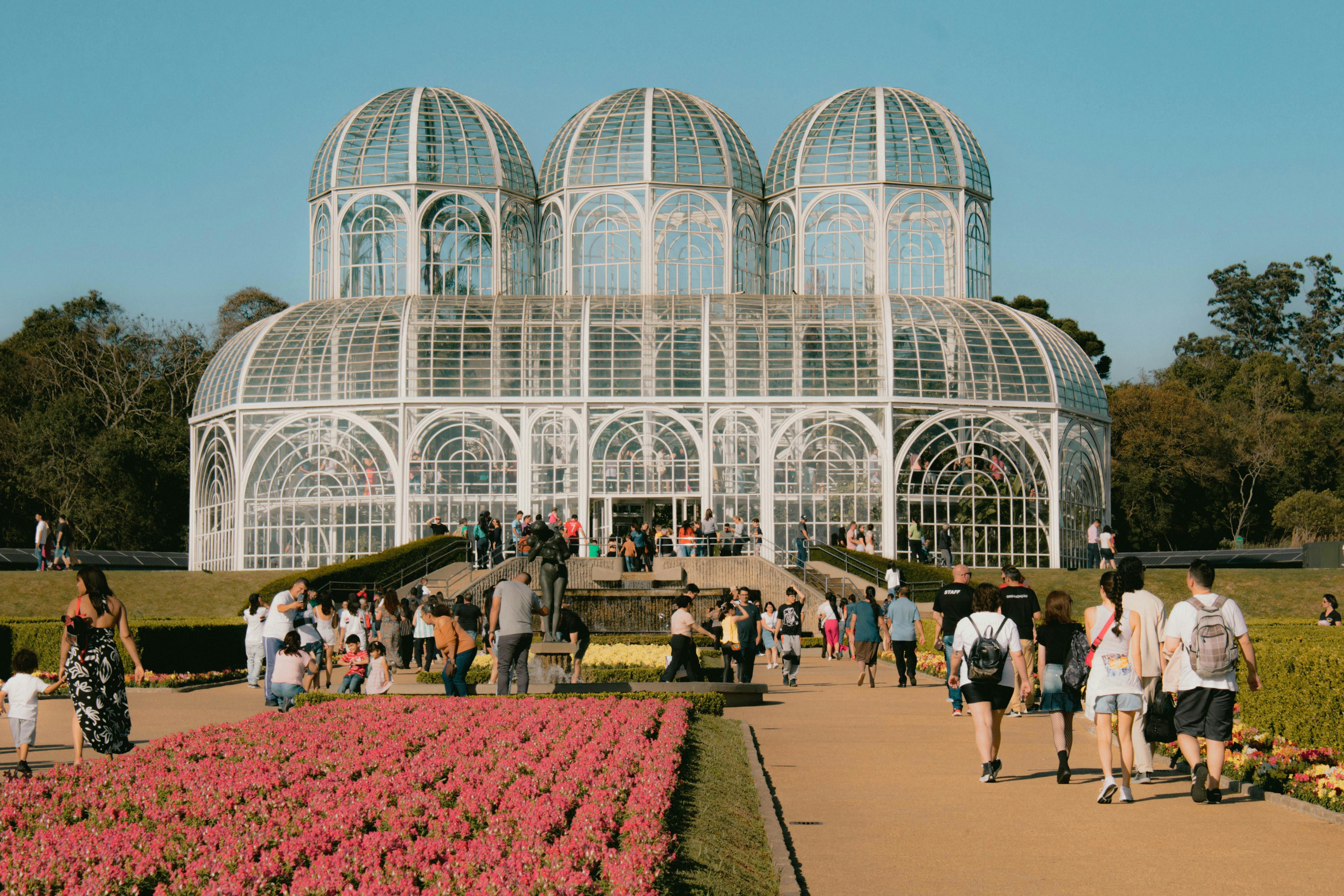
In the 1960s, Curitiba was fast-growing and facing a choice: build for cars, or build for people. The city's urban planning favoured pedestrianisation, mixed-use neighbourhoods, public transport use, green space and heritage protection. It chose people, and the results have been studied by urban planners around the world ever since.

Curitiba started integrating green spaces with public transit, focusing on a road system and land use that promoted socio-economic development and environmental preservation. Curitiba created the first pedestrian-only street in the city center in the early 1970s. It launched transit corridors with express buses using dedicated lanes, alongside lanes for slower traffic. This system, combined with terminals and a single fare system, created an approach now known globally as Bus Rapid Transit (BRT).

The largest city and capital of the Southern Brazilian state of Paraná, Curitiba has over 1.7 million inhabitants. More than 60% of commuters travel by bus daily, due to its efficiency and affordable fares. The city maintains 52m² of green space per person, one of the highest densities of urban green space in the world. When severe flooding caused $50 million in damage in the early 80s, Curitiba responded not with expensive concrete infrastructure, but with a natural drainage system using green space to absorb excess water.

Curitiba's 30-year economic growth rate ran 3.1% higher than the Brazilian national average, while per-capita income is 66% higher. The population grew by 1,000% over 60 years, without the inequality and congestion that typically follows that kind of growth.

Sources: City of Curitiba — Urban Planning · RTPI — Case Study: Curitiba

Take Action

Whether you're a business owner, employee, parent, student, or community member, your choice, voice, and actions matter.

Work & Wages: Fight for an economy where work is dignified and fairly rewardedRead more ↓

→ Sign and share petitions supporting your state's livable wage campaigns.

→ Leave a Google review specifically praising businesses that pay good wages.

→ Attend a City Council meeting where wage ordinances are being discussed.

→ Join or start a workplace organizing committee. Connect with your local AFL-CIO or independent union chapter.

→ Hold your local Chamber of Commerce accountable on the issues that affect working families — childcare access, wages, working conditions. Push business associations to use their political leverage.

→ Join a local chapter of Indivisible or similar civic organizations. Coordinated civic pressure is how state-level policy actually moves.

→ If you own a business, explore converting it to a worker cooperative through the National Center for Employee Ownership.

→ Attend a Democracy at Work Institute training, including the School of Democratic Management. They offer courses on co-op governance, management, and transitioning businesses to worker ownership.

Money & Local Economy: Put your economic power to work for a fairer, more sustainable economyRead more ↓

→ Do you own stock? You have power as a shareholder to influence company decisions. Activate your shareholder influence HERE.

→ Encourage investment firms to expand offerings for ESG (Environmental, Social, and Governance) investing. Ask your bank, financial advisor, or pension fund what ESG (Environmental, Social, and Governance) investment options they offer, and push for more. If not, switch to a financial institution that does.

→ Use the USFWC directory to find worker-owned businesses near you, or attend a USFWC training.

→ Move your banking to a credit union. Invest through Shared Capital Cooperative or the Cooperative Fund of New England.

→ Use Yelp or Google Maps filtered to locally-owned only. Move one recurring purchase — coffee, groceries, hardware — to a local or cooperative business. Every dollar spent locally builds more wealth in your community than a dollar sent to a big corporation.

→ Open an account with a CDFI. They lend locally where big banks won't. Find one at cdfifund.gov.

→ Advocate for or invest in a Community Land Trust in your city. Organizations like Grounded Solutions Network can connect you.

→ Push your City Council to adopt a local purchasing preference policy for city contracts.

Community & Care: Advocate for healthcare, childcare, and mutual aid as infrastructure, not luxuriesRead more ↓

→ Join or start a neighborhood resource-sharing group focused on mutual aid, such as childcare swaps, meal networks, rides, or emergency support funds. Contribute what you can to your immediate community, whether that's skills, transportation, meals, or translation support. You can connect with existing initiatives through MutualAidHub.org.

→ Build something small that can last, such as a community fridge rotation, a tool library, a babysitting co-op, a neighborhood group chat for resource sharing or any other simple system that neighbors can participate in regularly. Community fridges can be found on Freedge and Change X.

→ If you've created a successful community initiative, document and share it. Register your mutual aid network as a 501c3 or fiscal sponsorship project, and submit it to Mutual Aid Disaster Relief so others can replicate it.

→ Advocate for practical change. Research healthcare, housing, or childcare challenges in your area and contact your elected representatives regularly via town halls, emails, and calls. Many impactful policy changes begin at the local or state/provincial level.

→ Volunteer with or donate to state-level campaigns pushing for universal pre-K or Medicaid expansion in your state.

→ Support organizations already doing the work. Volunteer, donate, or contribute your skills to local groups working on food security, affordable housing, healthcare access, or community resilience.

Land & Environment: Advocate for climate action and environmental justiceRead more ↓

→ Follow, amplify, or join frontline organizations or your regional environmental justice coalition. More information at climatejusticealliance.org.

→ Check your zip code's pollution burden using the EPA's MyEnvironment tool and air quality on AirNow.gov, then use what you learn to contact local officials or attend City Council meetings to push for targeted clean air improvements.

→ Push your city to adopt a cumulative impacts ordinance that considers pollution burden before approving new facilities.

→ Sign up for notifications from your city's planning department, then attend public comment hearings for local industrial permits or zoning decisions — especially those affecting low-income or minority neighborhoods.

→ Check whether your city has an Environmental or Sustainability Commission. These bodies advise City Council and are often looking for engaged constituents to strengthen their case.

Civic Power: Vote, organize, and take a seat at the tableRead more ↓

→ Register to vote and sign up for election reminders at Vote.org. Use VOTE411 to research every candidate on your ballot — not just the top of the ticket. School boards, City Councils, and utility boards matter enormously.

→ Volunteer for one local candidate whose platform prioritizes living wages, housing, or environmental justice. You'll get a script and a list — no experience needed, and in close local races, a single weekend of conversations can make a difference.

→ Run for something. Local offices are more accessible than most people think. Consider becoming a local party organizer — you'll have a direct say in which candidates make it onto the ballot.

→ Check if your city has a participatory budgeting program at participatorybudgeting.org. If it does, show up, vote, and make sure your neighbors know about it. If your city doesn't have one yet, advocate for it — point to Denver and LA as models already working.